Thermal energy storage

Clean thermal
energy storage

A sustainable, circular and scalable system that converts electricity from any source into high-grade heat, and returns it as heat, steam, electricity or cooling. Exactly when you need it.
Every day power
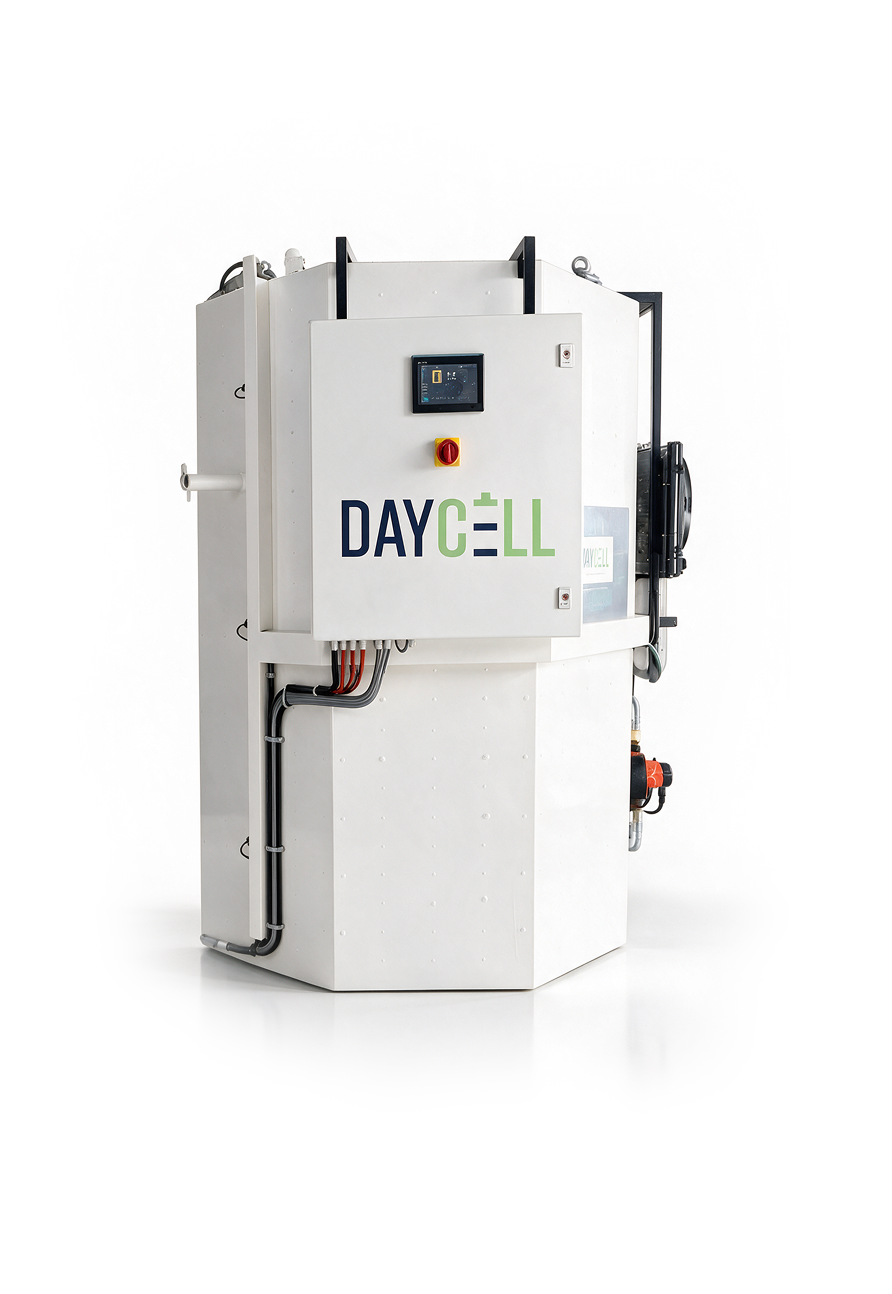
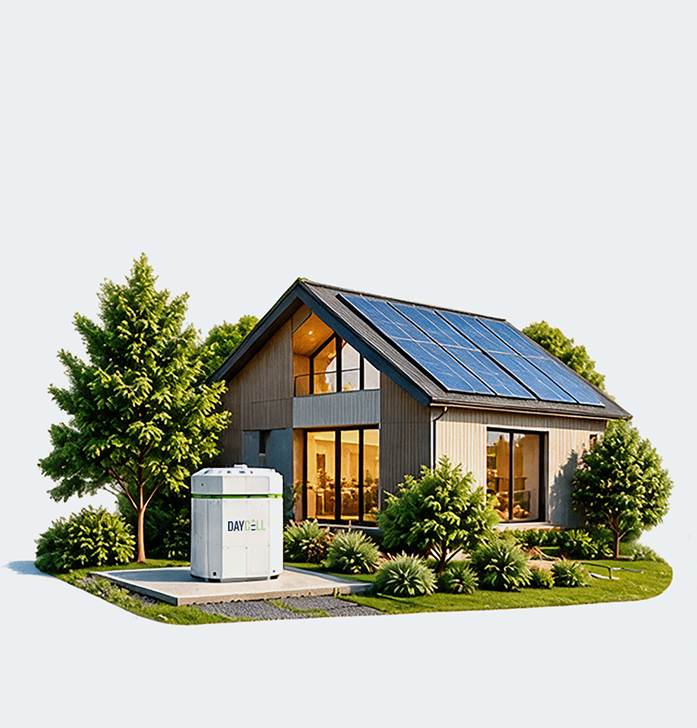
Daycell thermal storage unit
  • 1,100°C
  • maximum storage temperature
  • 30+ years
  • designed lifespan
  • 150 kWh
  • production unit built
  • ~500
  • units per year planned

The problem

Energy is not generated when it is needed

The storage gap has become the limiting factor in the energy transition.

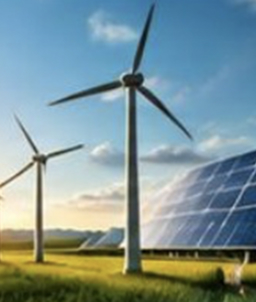
Wind turbines and solar panels in a field

Solar and wind are growing fast

Solar and wind capacity is growing rapidly. With it grows the need for large-scale storage to keep the energy system stable.

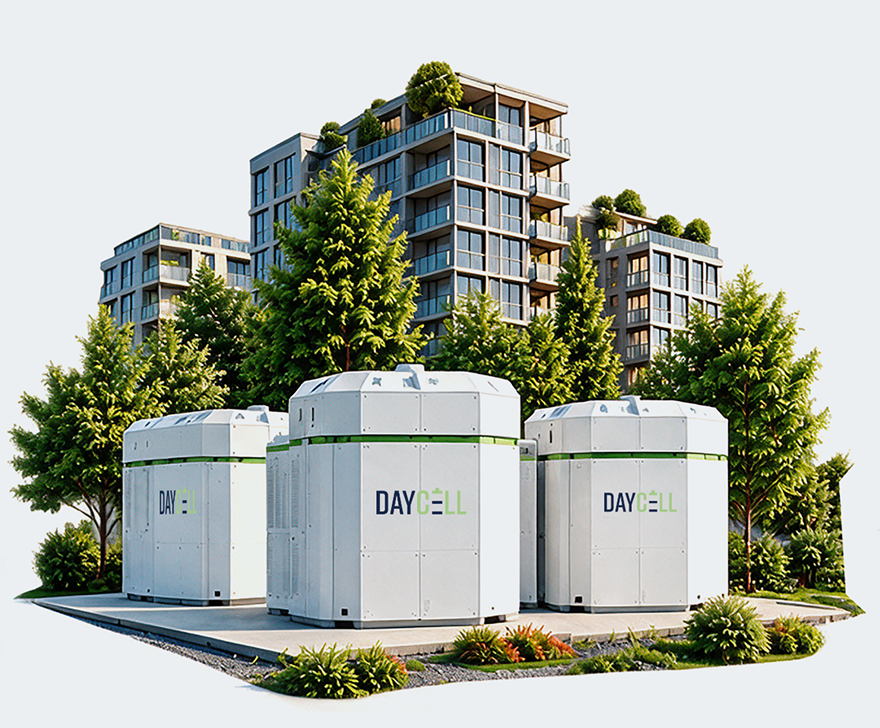
Apartment building at dusk

The biggest demand is heat

Heat dominates energy use in homes, buildings and industry. Yet almost all storage focuses on electricity alone.

Lithium battery cell beside raw ore

Lithium falls short

High costs, scarce raw materials, degradation and fire risk make lithium unsuitable for long-duration storage.

Stack of euro coins

The value lies in the shift

Surplus and cheap electricity have little value at the moment of generation, and a lot of value a few hours later.

The solution

Power in. Energy out.

Daycell stores electricity as heat at up to 1,100°C and returns it in the form the user needs.

Power in

High-voltage pylon

The grid

Reliable and flexible supply.

Solar panels

Solar energy

Sunlight converted into stored heat.

Wind turbine

Wind energy

Clean, renewable electricity.

Green leaf

Surplus and cheap electricity

Excess energy put to good use.

Daycell thermal storage unit

Energy out

House with solar roof

Hot water and heating

Homes, buildings and heat networks.

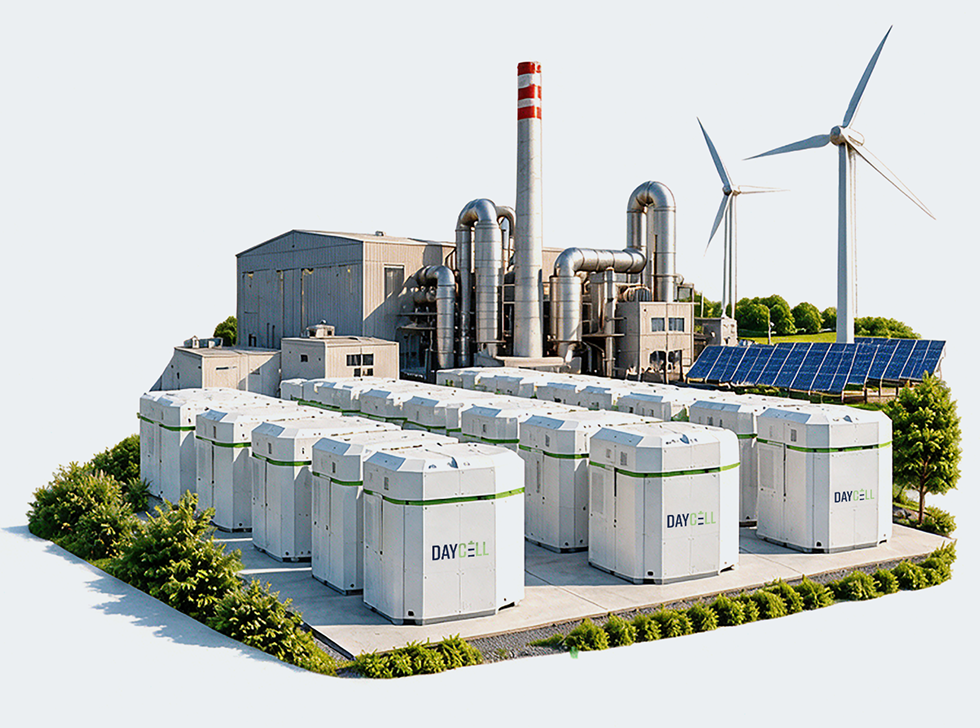
Industrial plant

Industrial steam

Process steam up to 300°C.

Substation

Electricity

Heat converted back into power.

Cooling units

Cooling (optional)

Compact cooling as a by-product.

Thermal core•storage up to 1,100°C

One storage platform, four usable forms of energy.

The proof

Proven technology. Real results.

Daycell is past the concept stage: built, tested and measured on real hardware.

  • 2 MWh
  • Prototype built and fully tested
  • 1,100°C
  • Maximum thermal storage temperature
  • 800°C
  • High-temperature storage demonstrated
  • 300°C
  • Industrial steam produced
  • Turbine
  • First heat-to-power prototype operational
  • 150 kWh
  • Production unit completed and built
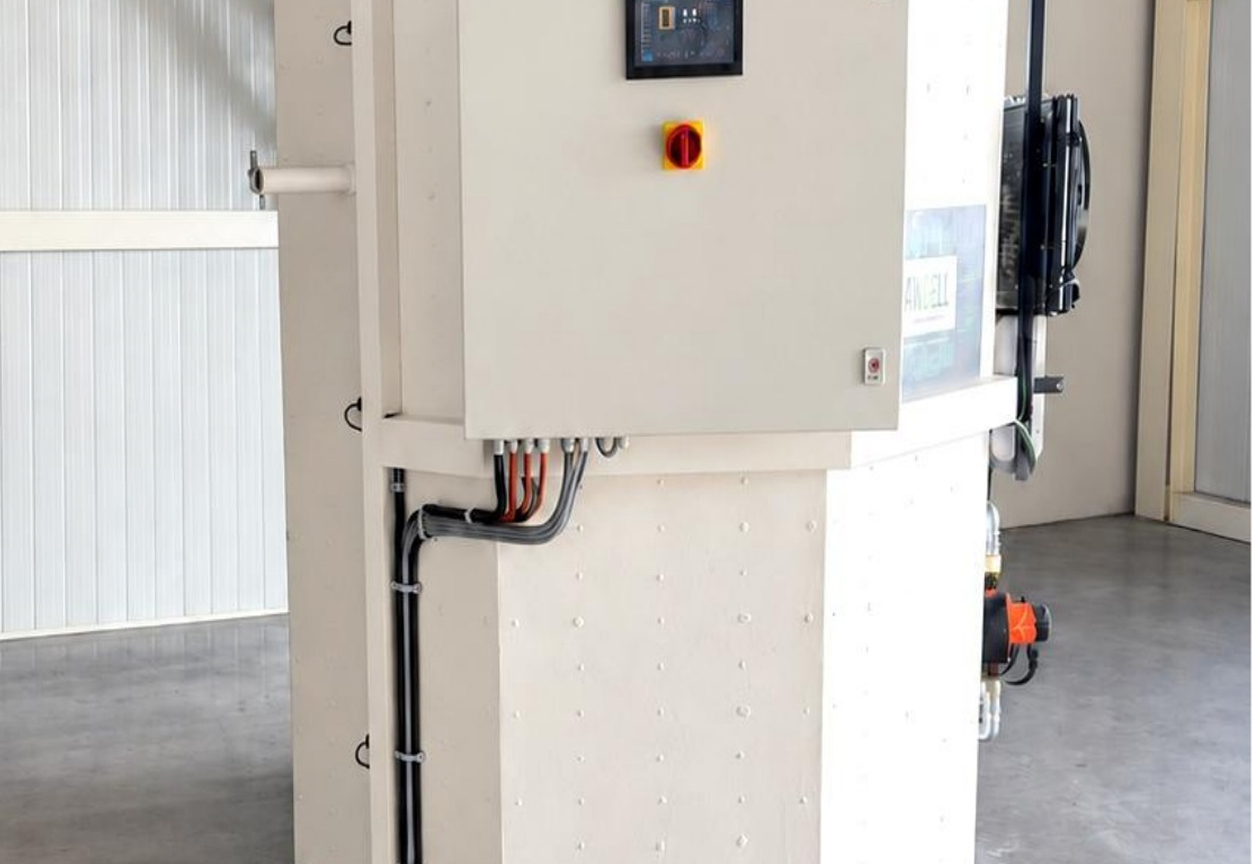
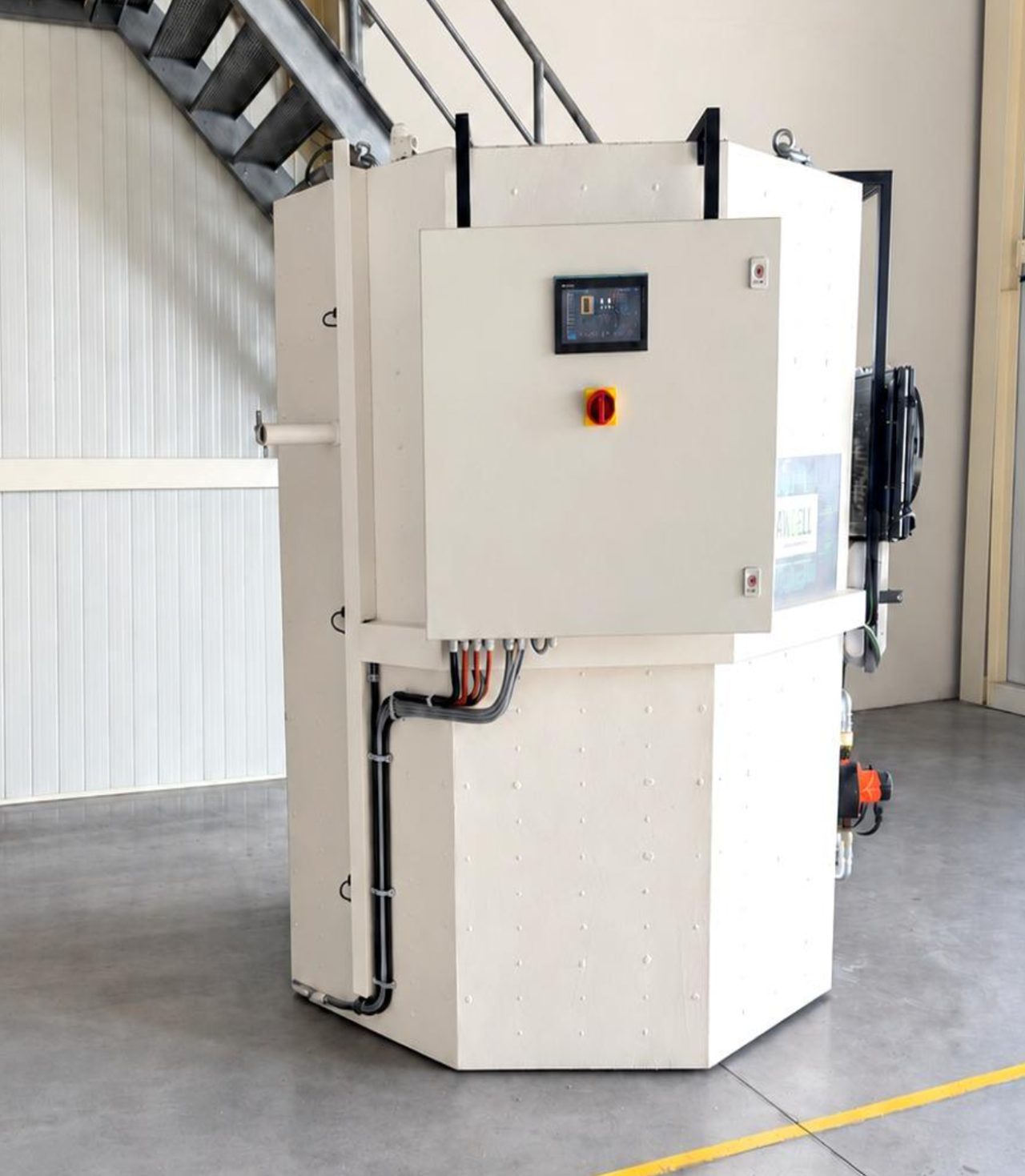
Closed Daycell unit

Closed unit: insulated housing with integrated control cabinet.

Next step: The first European production line is being completed, with a planned capacity of around 500 units per year.

Applications

One system. Many applications.

Because Daycell stores energy as heat, the same platform serves very different energy needs.

Detached house with solar roof

Homes

Electricity, hot water and heating

Apartment blocks

Buildings and districts

Reliable and flexible energy supply

Industrial plant at sunset

Industry

Process heat and steam up to 300°C

Data center building

Data centers

Reliable power and cooling

City skyline

Cities and infrastructure

Grid stability and local energy networks

Solar park with wind turbines and pylon

Energy parks and grid

Storing surplus outside peak hours

Scalability

Scalable for a bigger tomorrow.

From a single unit to multi-MWh installations: the same technology, simply repeated.

Above or below ground·modular·no specific soil conditions required

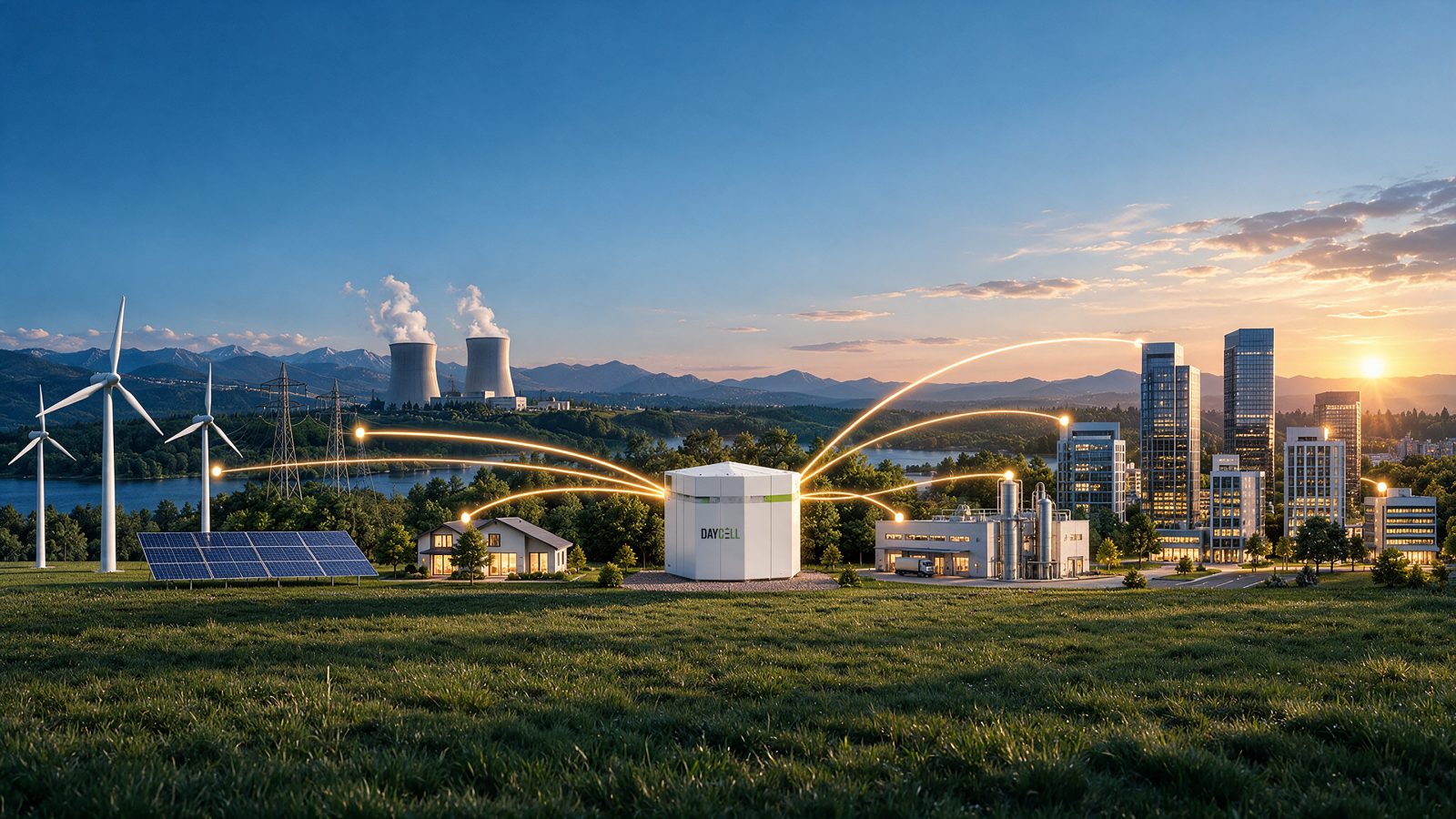
Daycell unit connecting wind, solar, homes, industry and a city

The green battery for every energy demand

Daycell sits between generation and consumption: charged by any source, suited to any demand.

Why Daycell

Built to last. A choice for generations.

Daycell is designed to store energy reliably for decades, without wearing out.

30+ years designed lifespan
  • Unlimited cycles Designed for unlimited charging and discharging, with no degradation from cycling.
  • Minimal loss High-efficiency storage at high temperature, with minimal energy loss over time.
  • Minimal maintenance No moving parts in the core and no battery management system to maintain.
  • Robust and safe Fire-safe construction, suitable for installation above or below ground.

Comparison

How Daycell compares

Against the two most common alternatives for stationary storage.

How Daycell compares
Lithium-ion Molten salt Daycell
Lifespan 8–15 years 15–20 years 30+ years
Cycle life ~3,000–7,000 cycles ~4,500 cycles unlimited
Operating temperature 15–35°C (cooling needed) 270–350°C (heating needed) up to 1,100°C, no conditioning
Safety Fire risk, thermal runaway Corrosive, complex sealing Intrinsically thermally stable
Maintenance Continuous BMS monitoring High, active heating Minimal, no moving parts
Materials Critical raw materials needed Widely available, waste streams Widely available, recyclable
Scalability Costs rise with scale Limited to fixed sizes 150 kWh to multi-MWh

The route

From prototype to industrial scale

The fundamental technology risk has been resolved. What follows now is production and roll-out.

Want the hard numbers? Request the factsheet with all technical specifications and measurement results. Request the factsheet

Protected technology

Own technology. Global ambition.

The technology behind Daycell is developed in-house and protected through an international patent strategy. Procedures are running in several jurisdictions, and patents are granted as the portfolio progresses.

  • Own core Storage concept, materials and system design developed in-house since 2018.
  • International applications Patent procedures are running in jurisdictions worldwide.
  • Grants in progress Patents are granted as the portfolio passes examination.
Globe with a network of connections
Children running across a field in front of wind turbines

Let's build
a stronger future

Daycell is entering its next phase: commercial roll-out and industrial production. We are keen to talk to off-takers, energy companies, project developers, municipalities, grid operators and technology partners.

Receive more information

"*" indicates required fields

This field is for validation purposes and should be left unchanged.
Factsheet